
Field notes
- Tex-Mex combines Native American and Spanish foods, the Handbook of Texas says.
- Fajitas were a common folk dish in South Texas before they spread through restaurants.
- Flour tortillas began replacing corn tortillas when wheat flour became widely available in the 1930s.
Key takeaways
- Corn, beans and chiles are the base of Tex-Mex.
- Rolled enchiladas come from South Texas; stacked, flat enchiladas are a West Texas and New Mexico style.
- Ask whether tortillas are corn or flour; it changes the dish.
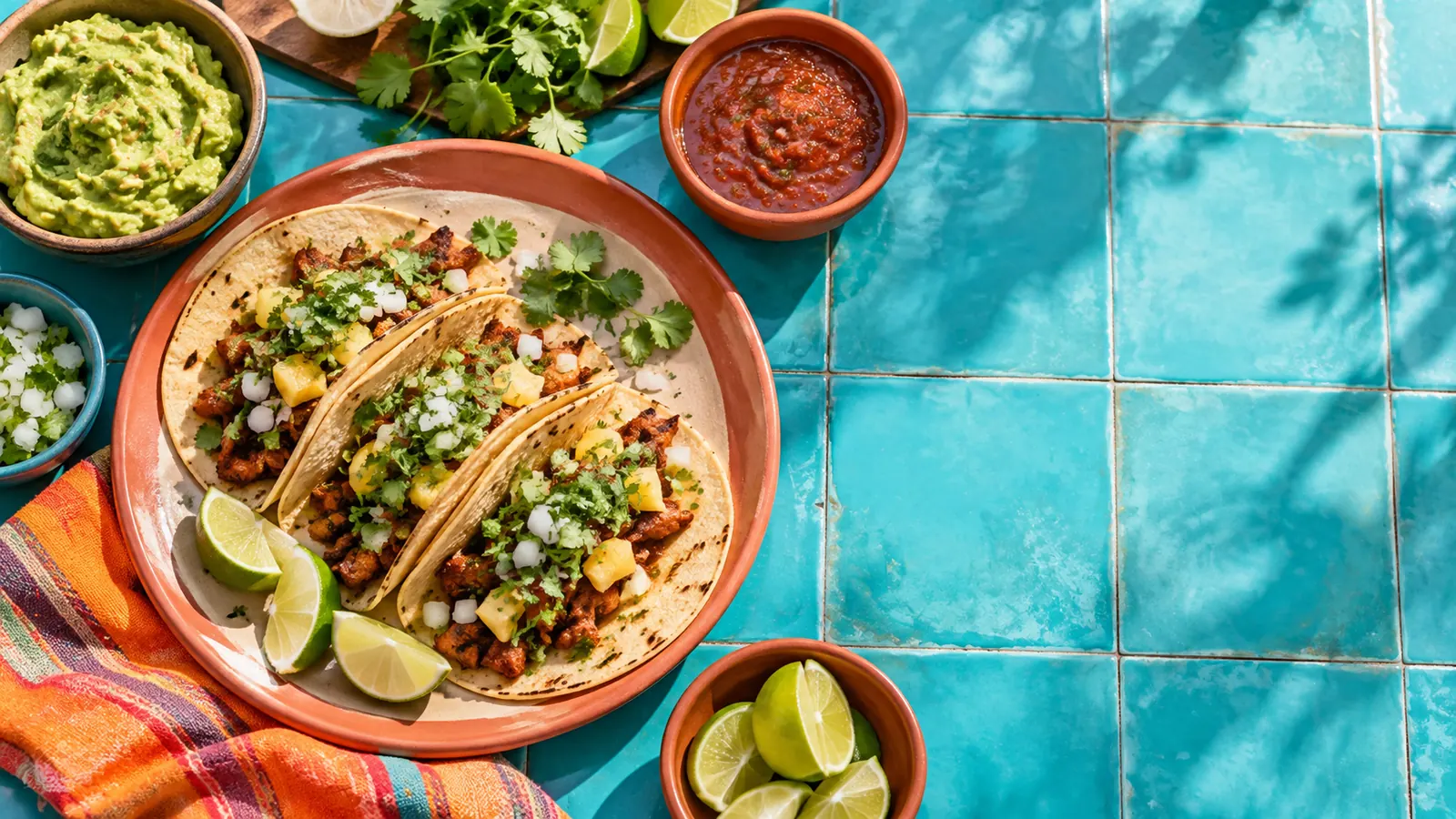
Ask anyone what to eat in Dallas and Tex-Mex will be near the top of the list. It is everyday food here, served everywhere from family places to food halls. Knowing where the dishes come from makes the menu much easier to read.
What Tex-Mex is
The Handbook of Texas describes Tex-Mex foods as a combination of Native American and Spanish cuisines that came together into a distinct new cuisine. Native groups in Texas grew corn, beans, squash and peppers and gathered wild plants such as prickly pear and mesquite beans. The Spaniards introduced wheat and domestic animals, including pigs, goats, cattle and sheep. Out of that mix came the dishes now found on menus across the city.
Corn: tortillas, tamales and more
Corn is the backbone. The Handbook explains that ripe corn is boiled with lime to soften it, then ground into masa for corn tortillas or into dough for tamales. Corn tortillas are the base of enchiladas, tacos, chilaquiles and chalupas. Tamales were traditionally made for special occasions, especially Christmas, and posole, a stew of processed corn with meat and chiles, was a breakfast dish.
Beans
Frijoles appear with almost every plate. Pinto beans became the favorite, cooked in a pot and served whole, then mashed and fried as refried beans, the side dish found with most Mexican restaurant meals. Variations include frijoles a la charra, cooked with tomatoes, onions, cilantro and chiles, and beans with cheese or with chorizo.
Meats
| Dish | What it is |
|---|---|
| Fajitas | Beef skirt, a folk dish in South Texas before restaurants spread it widely |
| Cabrito | Goat, often cooked over coals or in the oven |
| Chicharrones | Fried pork rinds |
| Machacado | Shredded dried beef with eggs and chiles, a breakfast dish |
| Chorizo | Mexican sausage, often with eggs or beans |
The Handbook notes that dried meat, carne seca, kept for long periods and became stews and breakfast dishes. It also points out that some dishes, fajitas among them, spread mainly through restaurants rather than home cooking.
Flour tortillas and sweets
Wheat flour arrived with the Spaniards, but flour tortillas only began to replace corn tortillas when flour became readily available in the 1930s, according to the Handbook. The same dough makes sopapillas, fried and served with honey, and buñuelos, crisp and dusted with cinnamon sugar. Pan dulce, the Mexican sweet bread, is a staple at celebrations.
Tip: Try one dish on corn tortillas and one on flour at the same meal. It is the quickest way to learn which you prefer.
South Texas and West Texas styles
Tex-Mex is not one style. The Handbook explains that in West Texas and New Mexico, enchiladas are often served flat, with tortillas dipped in chile sauce and stacked with cheese and onions, sometimes topped with a fried egg. Rolled enchiladas filled with beef or chicken were originally popular in South Texas and are now served around the world. Knowing both makes a menu easier to read.
How to order tacos
- Choose the tortilla first: corn or flour.
- Ask what the house fillings are; many places have a specialty meat.
- Add salsas a little at a time; heat varies a lot.
- Order beans and rice on the side if you want the full plate.
Where to look
Tex-Mex is everywhere in Dallas, so the neighborhood matters more than any one address. Food halls such as The Market at the Dallas Farmers Market let you sample several vendors, and Oak Cliff and Deep Ellum have many independent places. See Where to Eat in Dallas: A Neighborhood-by-Neighborhood Way to Find a Good Meal for how to choose by area, and pick up fresh tortillas, salsas and produce on a weekend at Dallas Farmers Market Guide: The Shed, The Market Food Hall and When to Go.
Desserts and celebration food
Sweets made from wheat flour are central to celebrations. The Handbook of Texas lists pan dulce, bizcochos, which are anise cookies, and desserts such as capirotada, a bread pudding, and arroz con leche, rice cooked in milk with raisins and sugar. These appear at quinceañeras, weddings, birthdays and holiday gatherings.
Breakfast is a good time to try Tex-Mex. The Handbook of Texas describes machacado, shredded dried beef cooked with eggs and chiles, as a popular breakfast dish, and chorizo with eggs is common too. Wrapped in a warm flour tortilla, either makes an easy first taste of the cuisine before a day of sightseeing.
Dallas keeps adding new taquerias and Tex-Mex kitchens, and the best way to find a favorite is to try several. Start with the classics above, then branch out.